
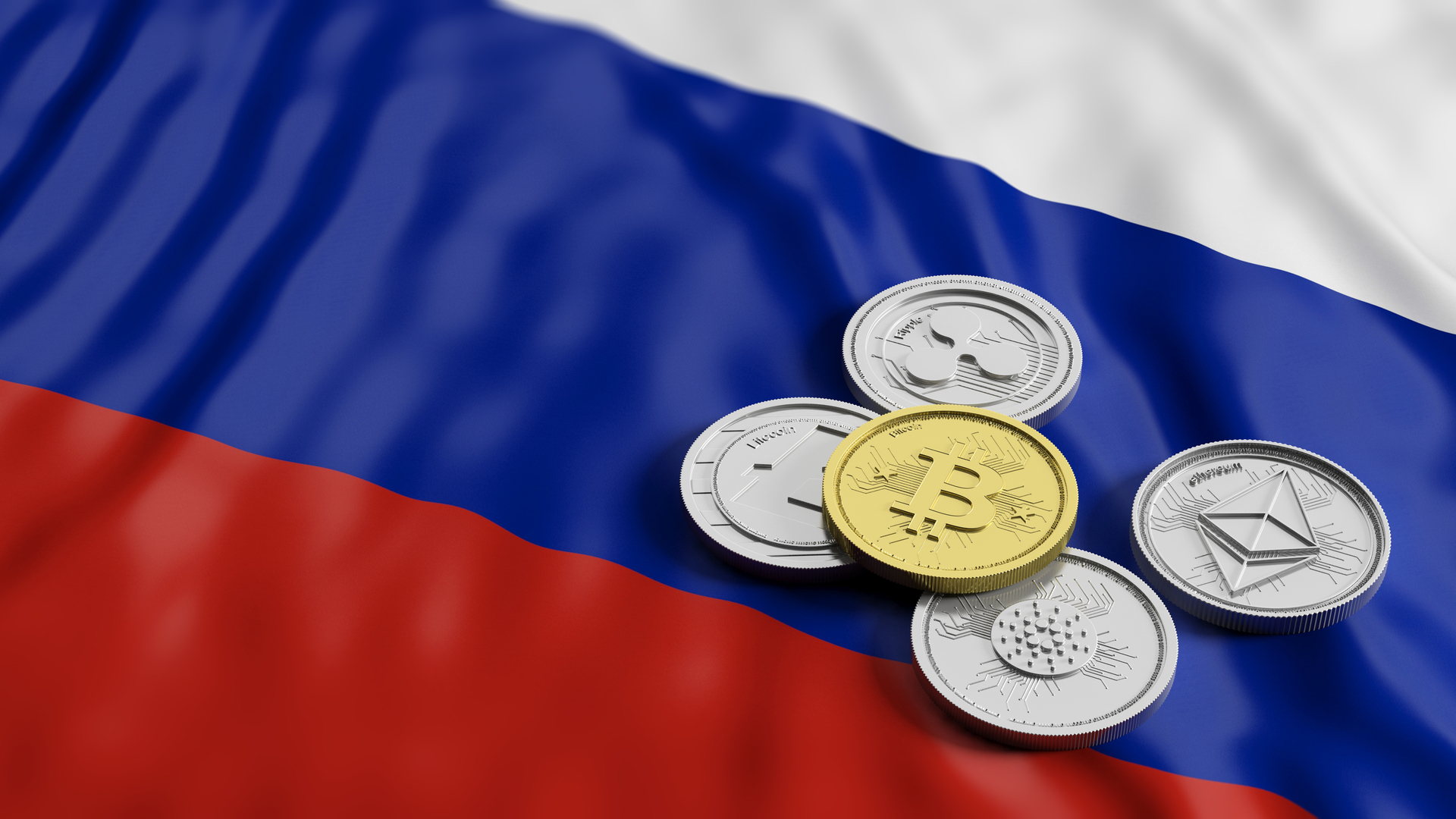
The European Union has approved the 21st sanctions package, targeting Russia’s $120 billion crypto network used to circumvent sanctions and introducing a “third-country ban” for the first time.
The European Union (EU) has taken a significant step by extending economic pressure on Russia into the digital asset world. Coming just three days after Russia adopted its new framework regulation legalizing cryptocurrencies, this move directly targets the A7 network—used primarily for cross-border transactions—and global service providers connected to it.
According to Chainalysis data, the A7 network, which has reached a transaction volume of approximately $120 billion to date, is defined as a structure specifically designed by Russia to evade sanctions. Under the new package, transaction bans were imposed on 14 crypto platforms based in Georgia, Panama, the United Arab Emirates, the Marshall Islands, Kyrgyzstan, and Belarus. Furthermore, while the assets of 94 banks and financial institutions were frozen, restrictions on 33 Russian credit institutions were expanded.
A New Threat for Crypto Exchanges: The Third-Country Ban
The most critical aspect of this sanctions package is the “third-country ban” mechanism, implemented for the first time. This new instrument grants the authority to completely prohibit EU operators from transacting with any crypto service provider used by Russia. While this creates a precedent-setting risk for global crypto exchanges, it also deals a heavy blow to Russia’s new crypto strategy, set to take effect on September 1st.
In a statement, Kaja Kallas, the High Representative of the EU for Foreign Affairs and Security Policy, noted that more than 100 banks and crypto operators, along with over 40 vessels in Russia’s “shadow fleet,” were targeted. This decisive stance by the EU aims to prevent cryptocurrencies from being used as an escape route to bypass sanctions and to deepen financial isolation.
Not investment advice.