
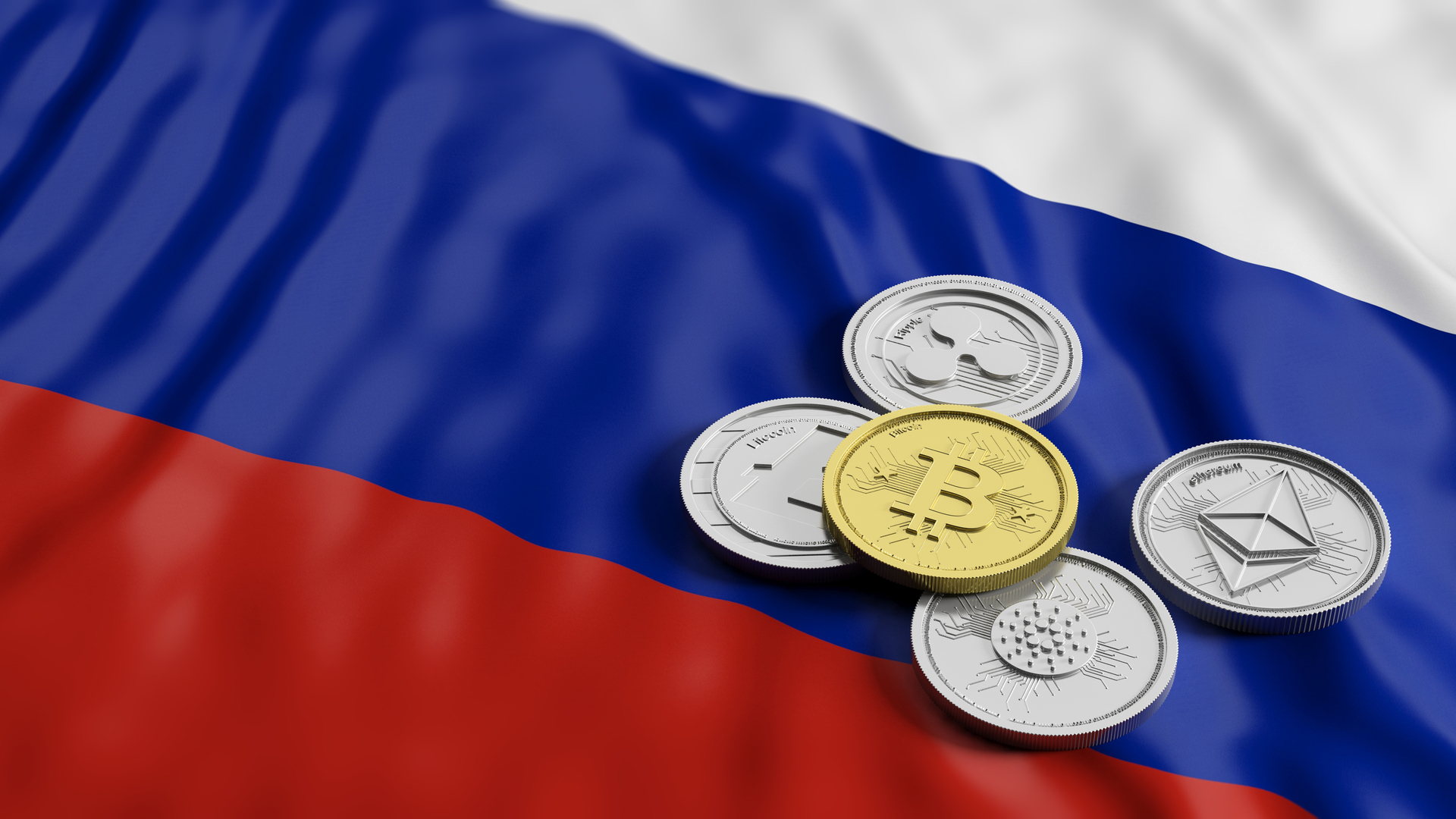
The Russian State Duma has approved the first comprehensive law regulating the cryptocurrency market, paving the way for crypto use in foreign trade while imposing an annual $3,800 limit on retail investors.
Russia has officially taken a historic step that will radically change its approach to cryptocurrencies. The country’s parliament, the State Duma, has passed the first broad legal framework covering the issuance, circulation, and mining activities of digital assets. Scheduled to take effect as of September 1, this set of new rules was shaped in line with Russia’s quest for financial sovereignty and the protection of its position in the global financial system.
With the new law, a strict oversight mechanism is being established for cryptocurrency exchanges and service providers. Moving forward, only entities registered in a special registry will be allowed to operate as exchanges. Banks will be obligated to halt money transfers to unauthorized platforms. On the other hand, judicial protection is guaranteed to all digital currency holders, regardless of whether they have declared their assets.
Limit for Retail Investors, Freedom for Foreign Trade
One of the most striking points of the regulation is the restrictions imposed on retail investors. Ordinary investors will be able to purchase a maximum of approximately $3,800 worth of cryptocurrency per year through licensed intermediaries. However, no limits will apply to qualified investors. While the use of crypto for payments of goods and services within the country remains prohibited, a major exception has been granted for making payments in crypto for foreign trade contracts.
Following the sanctions imposed by the European Union in April, Russia’s dependence on alternative financial channels has increased. In this new era, reflecting Moscow’s modern skyline and developing infrastructure, the use of cryptocurrencies in foreign trade transactions could open a new chapter in bilateral trade relations. This move is seen as part of Russia’s strategy to expand its economic maneuvering space in the international arena.
Not investment advice.