
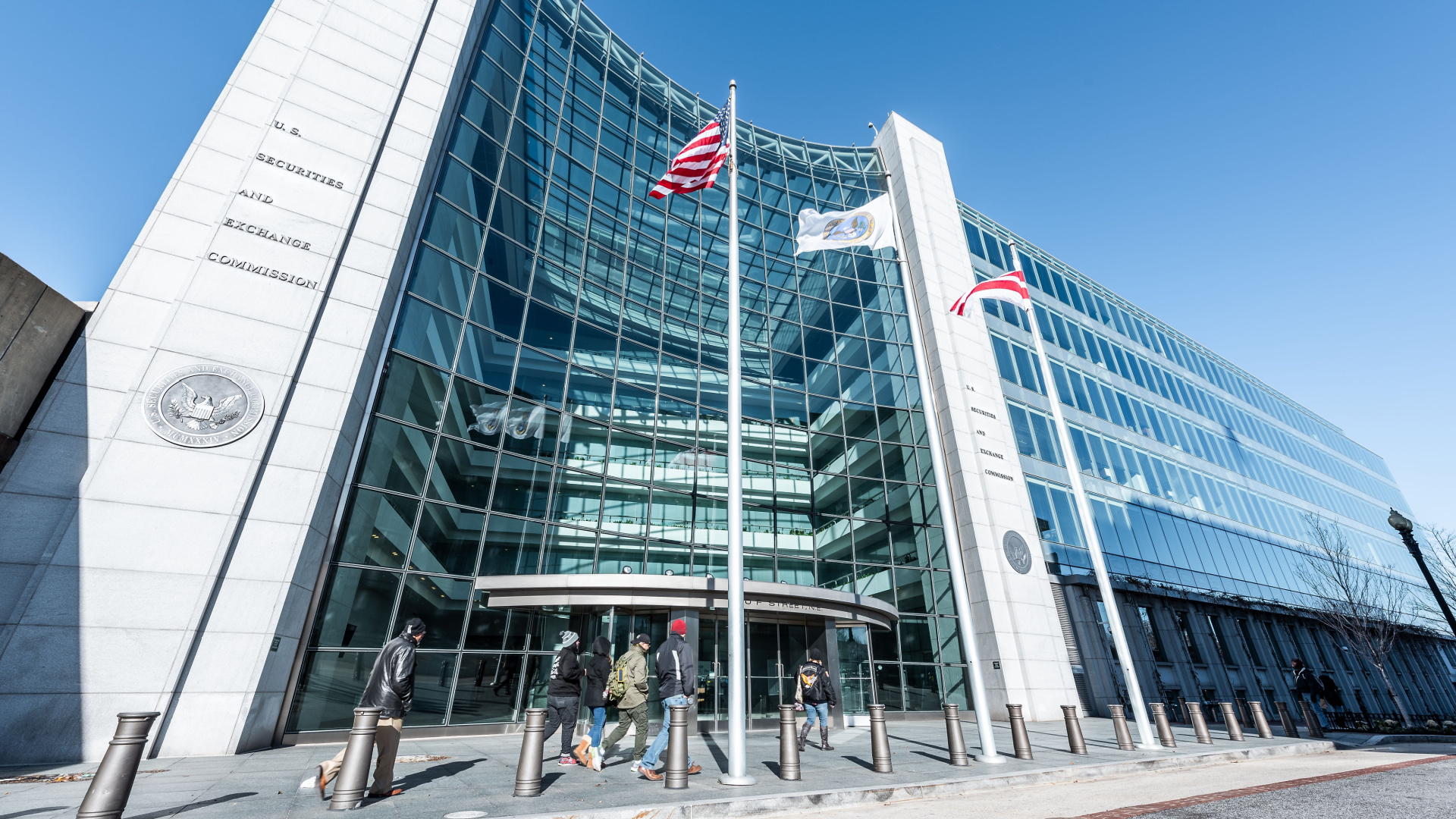
As the public comment period on new rules for crypto offerings in the U.S. nears its end, the Hyperliquid Policy Center has called for the rules to explicitly ensure that gratuitous airdrops are not classified as securities.
According to The Block, more than 100 comments have been submitted on the Regulation Crypto Assets proposed by the U.S. Securities and Exchange Commission (SEC); the comment period ends Tuesday, October 20.
The proposal establishes a framework under which certain digital asset offerings can be exempt from registration requirements. It provides for an exemption of up to $5 million for early-stage offerings and a separate exemption of up to $75 million over a one-year period for offerings conducted to raise funds.
What distinction matters to investors receiving an airdrop?
In airdrops, where tokens are distributed to users, the point highlighted by the Hyperliquid Policy Center (HPC) was whether recipients give anything in exchange for the tokens. The organization asked that the SEC’s previously stated approach—that gratuitous distributions do not involve an investment of money and therefore are not securities—be incorporated into the rule text.
Although HPC supports the overall framework, it considers the “safe harbor” provision, which aims to allow projects to benefit from regulatory protection by meeting certain conditions, too narrow. According to the organization, many projects may be unable to make the required representations to qualify for this protection. The request concerning airdrops is also among the proposals to amend the rule; it is not yet a final SEC decision.
What rights come with owning a token?
The Alternative Investment Management Association (AIMA), meanwhile, called for the rights offered to investors to be explained more clearly. According to the association, a token’s utility or participation in economic gains should be described separately from ownership, redemption, cash flow, and contractual rights.
AIMA also proposed establishing disclosure requirements appropriate to developments and clarifying how information that genuinely cannot be obtained should be handled. These requests aim to help investors understand what the token they receive provides and what risks it carries.
The Securities Industry and Financial Markets Association (SIFMA) also called for changes to a separate regulation, the five-year innovation exemption, which took effect in September. The association, which highlighted investor protection and issuers’ participation methods under this framework that allows tokenized shares to trade on-chain, emphasized that decisions made at the outset will shape market practices before permanent rules are established.
Not investment advice.