
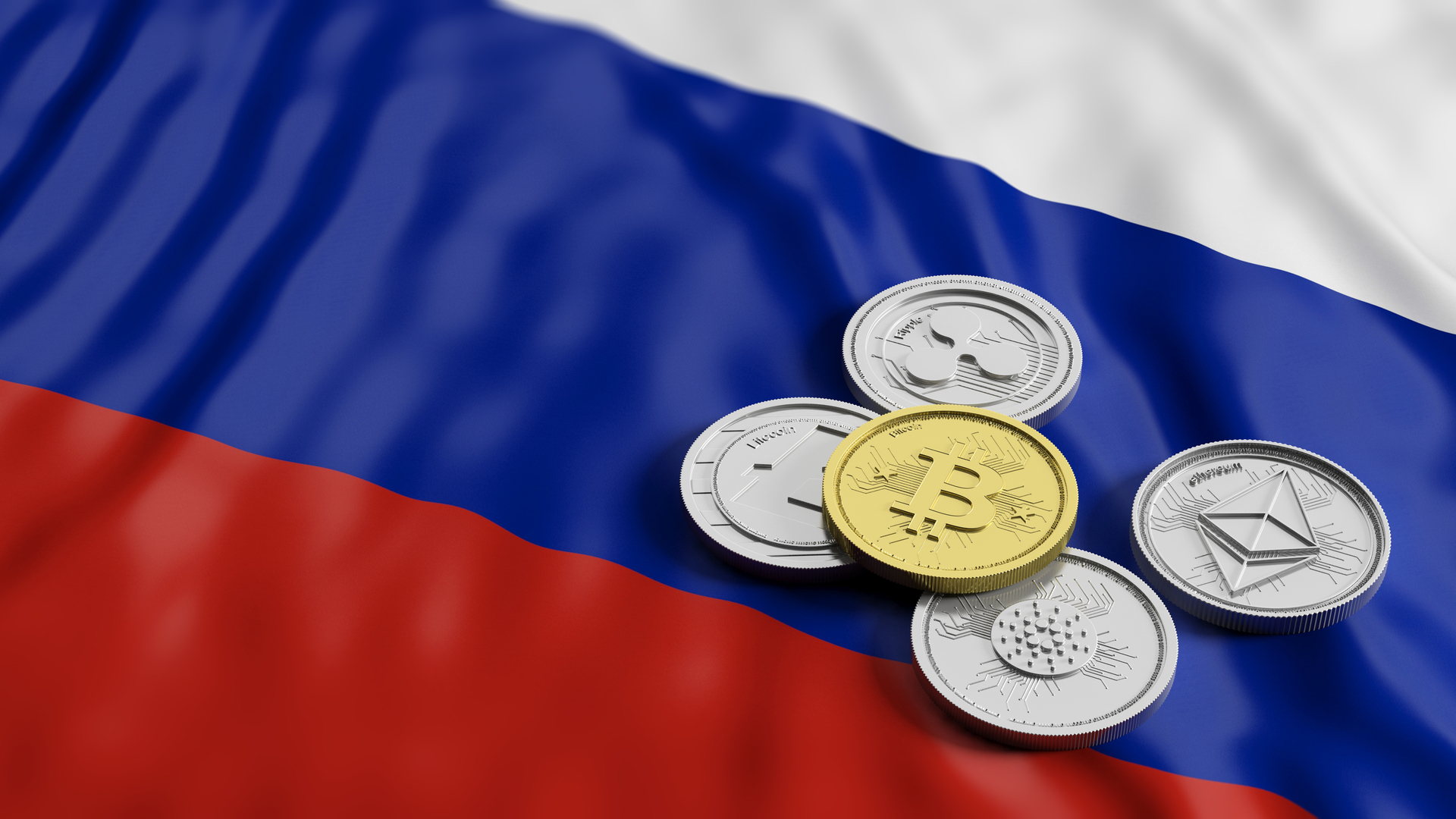
The Central Bank of Russia is expanding its regulatory oversight by publishing “organized trading” rules that include strict capital requirements for cryptocurrency exchanges and digital custodians.
As Russia prepares for a new era in the cryptocurrency world, the Central Bank has shared its first comprehensive draft regulation regarding the industry’s operation with the public. Following the crypto market law passed by the Duma, the lower house of parliament, last week and expected to take effect in September, this step clarifies how digital assets will be bought and sold in the country. The new rules aim specifically to establish operational standards for exchanges and entities providing digital asset custody services.
According to the draft, crypto exchanges will determine their own trading procedures and calculate weighted average prices for the assets traded on their platforms. Additionally, new structures called “digital custodians” will be created, tasked with maintaining records of cryptocurrencies and digital rights. These entities will operate under principles similar to traditional securities depositories and will be registered in an official registry maintained by the Central Bank.
Million-Dollar Capital Requirement for Crypto Exchanges
The most striking aspect of the regulation is the capital obligations imposed on market participants. Digital custodians will be required to have equity ranging from 50 million rubles to 250 million rubles, depending on the scope of their services. This amount corresponds to approximately $640,860 to $3.2 million. The Bank stipulates that this capital must consist of liquid assets that can be quickly converted into cash and must possess high credit quality.
Similar capital requirements will apply to electronic platform operators conducting digital financial asset transactions. Russia’s strategy continues to prohibit the use of cryptocurrencies as a means of payment within the country, while aiming to transform these assets into a strictly regulated organized investment market backed by significant capital strength. With this move, crypto companies operating under the Russian flag will now be required to operate within a much more disciplined legal framework.
Not investment advice.