
Solana (SOL)
Loading chart…
Show chart data as a table
Chart: TradingView Lightweight Charts™ · Data: CoinMarketCap
Solana value in USD
Conversions using the latest available price. Excludes fees and the bid-ask spread.
| SOL amount | Value |
|---|---|
| 0.001 SOL | $0.1009 |
| 0.01 SOL | $1.01 |
| 0.1 SOL | $10.09 |
| 1 SOL | $100.85 |
| 10 SOL | $1,008.53 |
| Budget | Estimated amount of SOL |
|---|---|
| $100.00 | 0.99153798 SOL |
| $500.00 | 4.95768991 SOL |
| $1,000.00 | 9.91537982 SOL |
| $5,000.00 | 49.57689911 SOL |
| $10,000.00 | 99.15379822 SOL |
Solana in brief
Solana (SOL) is the native cryptocurrency of a high-speed, low-fee blockchain that launched in 2020. SOL is used to pay transaction fees and to secure the network through staking.
Official source: solana.com
Safety note: download wallets and apps only from the official site, and beware of unsolicited "support" accounts and fake airdrop sites.
Where does Solana trade against the Turkish lira?
- Binance TR
- BtcTurk
- OKX TR
- Paribu
On this page 8
Solana is a smart contract blockchain built to process thousands of transactions per second at very low cost, and SOL is its native cryptocurrency. Based on a design published by Anatoly Yakovenko in 2017, the network went live in March 2020. It has since become one of the busiest chains for decentralised exchanges, memecoins, NFTs and payment apps.
How does Solana work?
Solana runs on proof-of-stake: validators earn the right to produce blocks in proportion to the SOL staked with them. What sets it apart is a timekeeping mechanism called Proof of History (PoH). PoH acts like a cryptographic clock that proves the order in which events happened, so validators don’t have to spend time agreeing on ordering.
As a result, Solana produces a block roughly every 400 milliseconds and can execute independent transactions in parallel. The trade-off is that running a validator requires powerful hardware and a lot of bandwidth.
What is SOL used for?
- Transaction fees: each transaction pays a fixed base fee per signature, plus an optional priority fee to get processed faster when the network is busy. Fees are usually a small fraction of a cent.
- Staking: holders can delegate SOL to a validator and earn staking rewards. The tokens stay in your wallet, but unstaking takes a few days. Liquid staking protocols such as Jito and Marinade issue a tradable token in return.
- Account rent: every Solana account that stores data needs a small SOL deposit, which is returned when the account is closed.
How are tokens identified on Solana?
Tokens on Solana (SPL tokens) are identified by their “mint address”, not by name or ticker. Since anyone can create a token with the same name and logo, you should always check the mint address against the project’s official channels, especially when buying memecoins. USDC and USDT are both issued natively on Solana.
SOL supply and inflation
SOL has no fixed maximum supply. New SOL is created as staking rewards. Inflation started at 8% a year in 2021 and is designed to fall by 15% annually until it reaches a long-term rate of 1.5%. At the same time, half of every transaction’s base fee is burned. Holders who do not stake see their share of the network diluted over time.
Key milestones
- 2020: mainnet beta launched.
- 2021–2022: the network halted several times for hours because of bot traffic and software bugs; the September 2021 outage lasted about 17 hours.
- November 2022: the collapse of FTX, a major backer of the Solana ecosystem, hit SOL hard.
- 2024 onwards: memecoin and DeFi activity pushed network usage to record levels. Firedancer, an independent validator client built by Jump Crypto, aims to reduce the network’s reliance on a single software implementation.
What are the risks of Solana?
Past outages showed the network can stall under heavy load; stability has improved markedly in recent years, but the risk has not disappeared entirely. High hardware requirements for validators fuel criticism about centralisation. Memecoins on Solana are extremely volatile and carry a real risk of rug pulls. Malicious transaction signatures and fake websites are among the most common scams Solana users face.
How to read SOL market data
Because SOL has no maximum supply, it helps to look at circulating supply alongside the annual inflation rate and the share of SOL that is staked. The gap between market cap and fully diluted value reflects tokens that are locked or not yet distributed. Raw transaction counts on Solana look very high because validator voting transactions are included; active addresses and fee revenue give a better picture of real user activity.
Official sources
Read next
Related news
Topic archive ↗
Long-Awaited Solana Upgrade Goes Live: Transaction Finality Drops Below One Second!

Solana’s Big Day: What Will 40x Faster Transactions Mean for Users?

Solana Transactions Rise 45%: What’s Driving the Growth?
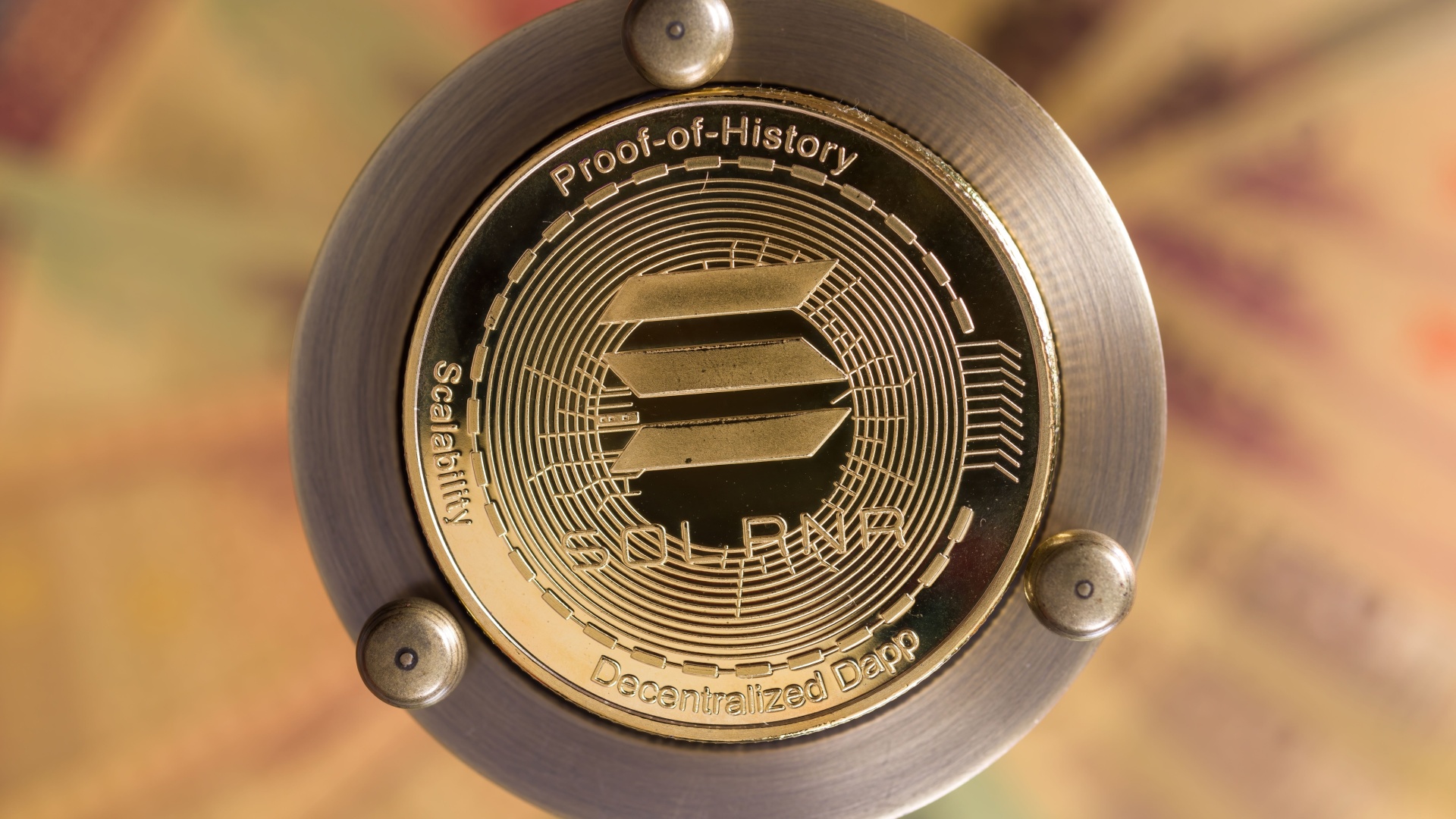
Solana Treasury Shrinks 70%: 400,000 SOL Discrepancy Prompts Major Shareholder to Demand Answers!
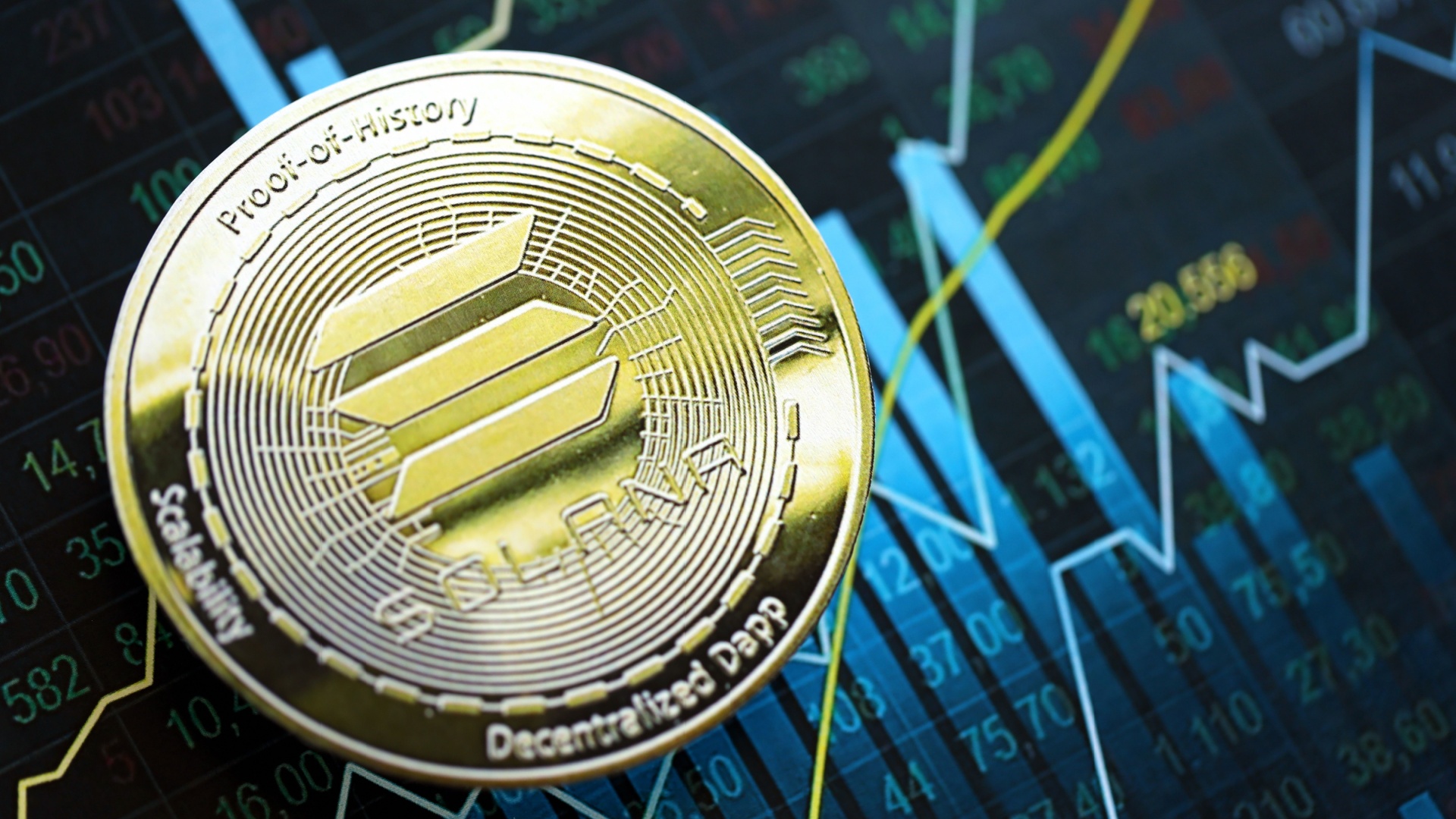
Date Set for Solana Upgrade Aiming to Cut Wait Times 85-Fold