Monero (XMR)
Loading chart…
Show chart data as a table
Chart: TradingView Lightweight Charts™ · Data: CoinMarketCap
Monero value in USD
Conversions using the latest available price. Excludes fees and the bid-ask spread.
| XMR amount | Value |
|---|---|
| 0.001 XMR | $0.6191 |
| 0.01 XMR | $6.19 |
| 0.1 XMR | $61.91 |
| 1 XMR | $619.09 |
| 10 XMR | $6,190.90 |
| Budget | Estimated amount of XMR |
|---|---|
| $100.00 | 0.16152735 XMR |
| $500.00 | 0.80763673 XMR |
| $1,000.00 | 1.61527346 XMR |
| $5,000.00 | 8.07636729 XMR |
| $10,000.00 | 16.15273458 XMR |
Monero in brief
Monero is a proof-of-work payment network that hides the sender, receiver and amount by default; its native asset is XMR.
Official source: getmonero.org
Safety note: download wallets and apps only from the official site, and beware of unsolicited "support" accounts and fake airdrop sites.
Where does Monero trade against the Turkish lira?
None of the Turkish platforms we track (Binance TR, BtcTurk, OKX TR, Paribu) currently lists a XMR/TRY pair. The TRY price is converted from the USD price.
On this page 6
Monero is an open-source payment network that provides privacy by default. Its native asset is XMR. On networks such as Bitcoin, addresses and amounts are visible on a public ledger; on Monero, the sender, receiver and amount are hidden by default. The network launched in 2014 on the CryptoNote protocol and is maintained by a community of volunteer developers.
How does Monero provide privacy?
Monero combines three techniques. Ring signatures mix the real input with decoys, so outsiders cannot tell which output was spent. Stealth addresses create a one-time destination for every payment, so the recipient’s public address never appears on chain. RingCT hides transaction amounts.
These features are not optional; every transaction follows the same privacy rules. That reduces the problem seen on networks where private transactions stand out among transparent ones. Privacy is still not absolute: exchange accounts, IP addresses and user behaviour can reveal identities.
Mining and XMR supply
Monero uses proof of work. Since 2019 it has used the RandomX algorithm, designed to suit ordinary CPUs and make it harder for specialised hardware to dominate mining.
XMR has no fixed maximum supply. The main emission period ended in 2022 and the network entered “tail emission”, producing 0.6 XMR per block. The fixed reward is meant to keep miners securing the network even if fees stay low. The annual inflation rate declines slowly as supply grows.
Regulation and exchange access
Because of its privacy features, Monero frequently runs into anti-money-laundering rules. Many major exchanges, including Binance, have delisted XMR. Access to XMR therefore runs through fewer platforms and thinner markets.
Moving between XMR and other assets on a platform that applies KYC can trigger account reviews or restrictions. Before buying or selling XMR, check the conditions under which your platform supports it.
Network security
On proof-of-work networks, security depends on the total hash power of honest miners. In 2025, a mining project’s claim to control most of Monero’s hash rate, together with short block reorganisations, put 51% risk back on the agenda. Developers are discussing additional defences, so services that accept XMR may reasonably wait for more confirmations.
How to read the market data
The price, volume and market cap on this page show the global XMR market. Because XMR is listed on fewer exchanges, price gaps and slippage can be larger than for other major coins. When comparing Monero with other privacy coins, look at whether privacy is default or optional and at the market depth you can actually access.
Official sources
Read next
Related news
Topic archive ↗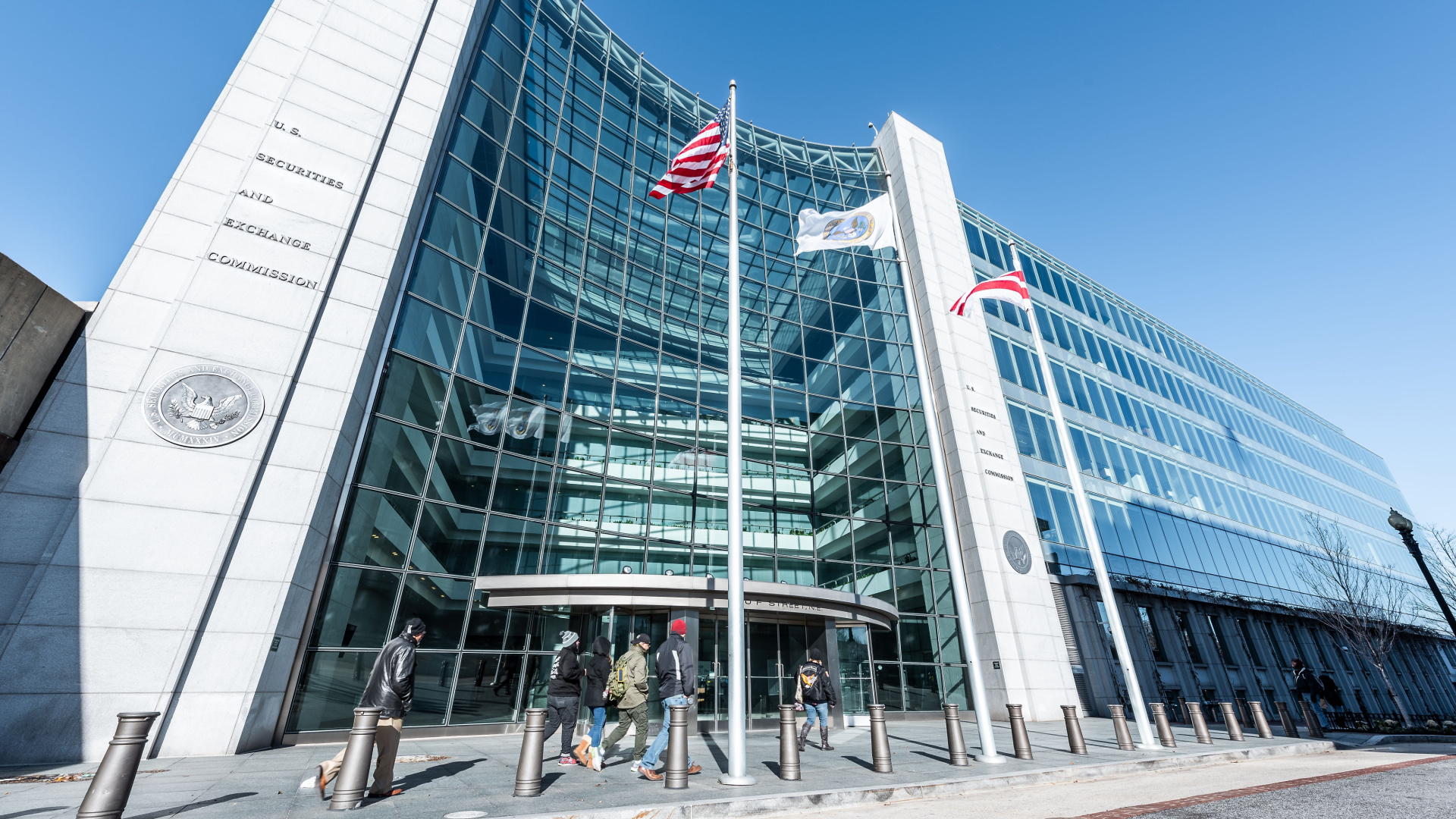
Will Airdrops Be Classified as Securities? Call for SEC Rule Changes

Santiment Sees Opportunity Signals in These Two Altcoins: Why Investors’ Losses Matter

Bitcoin Recovers, but USDT Loses $1 Billion: What’s Missing for the Rally to Continue?

This Altcoin Rose 17% in a Week: Is It Other Altcoins’ Turn, According to Santiment?

Solana Transactions Rise 45%: What’s Driving the Growth?