

Millions of dollars in crypto spending on U.S. elections are giving Democratic candidates material for criticizing Trump over corruption, while heightening political tensions around the legislation the industry is waiting for.
According to CoinDesk’s analysis, crypto companies’ spending to support allies in Washington is being used for the opposite purpose in some candidates’ campaigns. Democrats are drawing attention to the money to argue that their opponents are under the influence of tech companies.
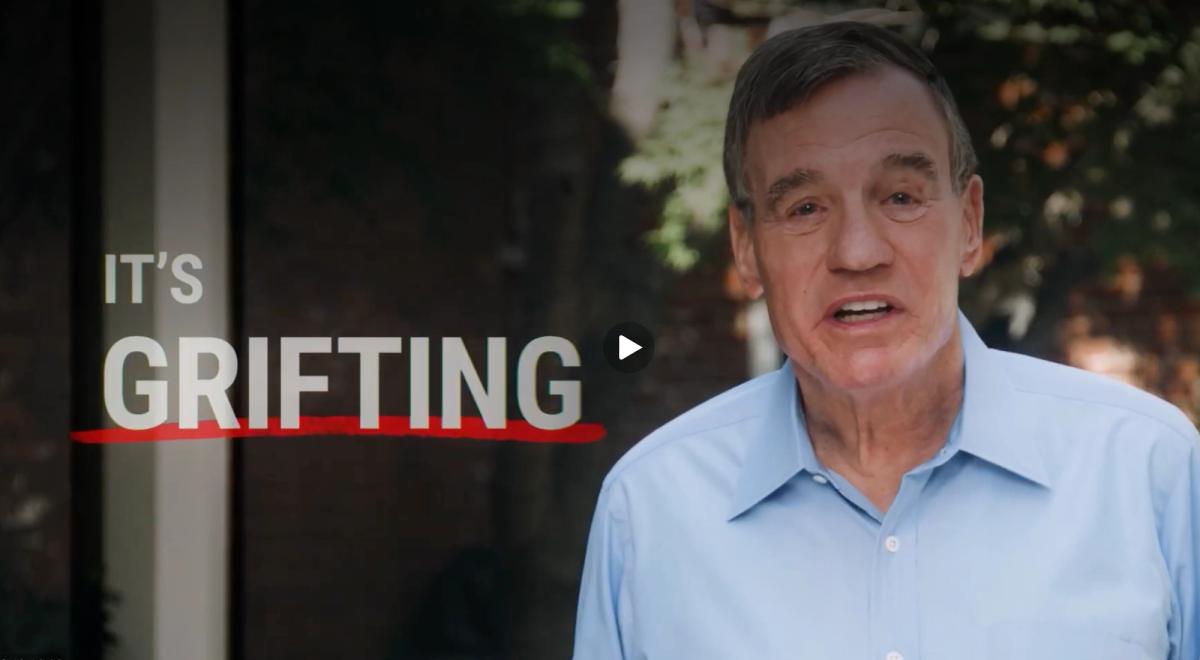
Virginia Senator Mark Warner claims in a campaign ad that Donald Trump made hundreds of millions of dollars from his memecoin while in office. Warner presents the claim to voters with the words, “This isn’t governing; it’s self-dealing. The corruption has to end.”
Crypto goes unmentioned in ads worth millions
Sherrod Brown, who is seeking to return to the Senate in Ohio, says spending by crypto and data center interests against him has reached $40 million. Brown is using that support against his opponent, framing the election as a contest between ordinary voters and tech billionaires.
Fairshake, which is financing most of the ads against Brown, is a political action committee backed by crypto companies. With Coinbase, Ripple, and a16z Crypto among its major supporters, the committee is backing dozens of candidates nationwide. But, as a spokesperson confirmed, the ads it has purchased do not mention crypto; instead, they focus on other issues expected to influence voters.
Florida congressional candidate Oliver Gilbert also highlighted the $2 million Fairshake spent to defeat him in the primaries. That spending failed to keep Gilbert from winning. Peggy Flanagan and Juliana Stratton have likewise criticized crypto-backed ads. In contrast, the vast majority of candidates supported by Fairshake have won their primaries this year.
Is the price of closeness to Trump being paid by crypto legislation?
According to an analysis by the Center for American Progress, crypto-linked donors contributed about $89 million to MAGA Inc., Trump’s main political action committee. The organization’s research director, Will Ragland, argues that closeness to Trump has brought benefits such as crypto-friendly regulators and closed investigations, but that criticism of the president’s personal crypto earnings is also intensifying.
Trump’s crypto business ties have contributed to Democrats’ demand for stricter ethics limits on public officials to be added to the market structure bill known as the CLARITY Act. No agreement was reached with Democrats, who did not consider the conditions the president was prepared to accept sufficient. The bill did not advance in the Senate last month, and according to the analysis, it is unlikely to be taken up again before the end of the year.
Blockchain Association, an advocate for the industry, emphasizes that its goal is rules that do not change depending on who is in the White House or Congress. The association’s policy director, Lindsay Fraser, says it will continue working with both Democrats and Republicans.
Why is the November 3 election important?
In a Fox News poll this month, 88 percent of respondents said they were very or extremely concerned about corruption in government. Crypto, meanwhile, is not among voters’ top priorities. This situation creates an opening for the industry to be discussed in the elections more through criticism of Trump than through its own promises.
If Democrats win a majority in the House of Representatives—and possibly the Senate—in the November 3 midterm elections, the political balance facing the crypto lobby could shift. The risk identified by the analysis is not simply that the money spent will go to waste: Reaching agreement on comprehensive market legislation that the industry could support may become even more difficult.
Not investment advice.