
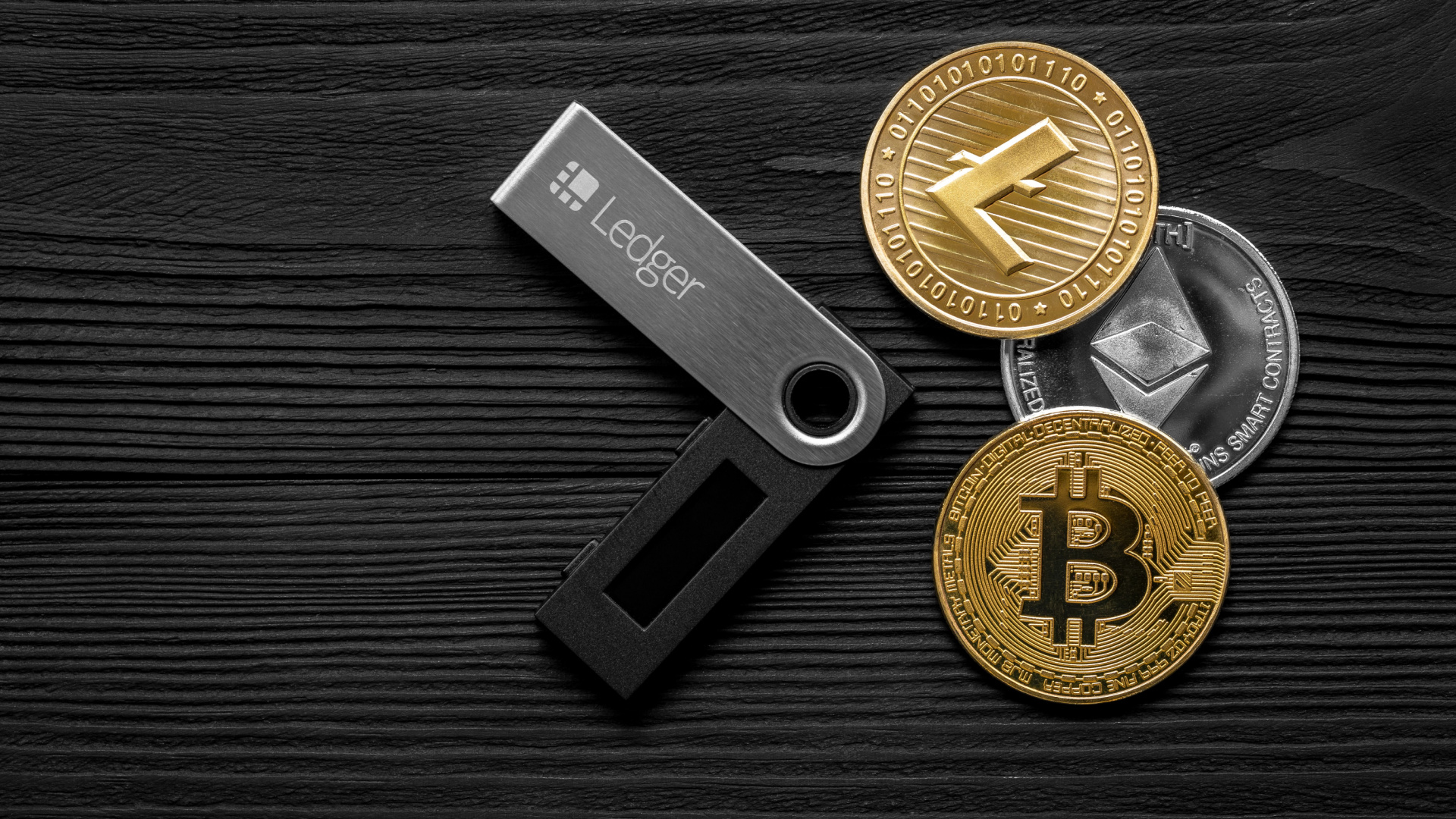
Zilliqa (ZIL) has decided to halt native transactions on the network due to a critical security vulnerability detected in hardware wallet manufacturer Ledger’s application, which has existed since 2019.
Popular blockchain platform Zilliqa (ZIL) has taken a radical step to protect network security following the discovery of a software bug that has been hidden in the system for five years. After South Korean exchange giant Bithumb recently warned investors, the network’s development team announced that they had suspended native transactions while explaining the technical root cause of the issue.
Investigations showed that there was a serious vulnerability in the encryption method used for native ZIL transactions signed via Ledger devices. This bug allows malicious actors to analyze public on-chain data and seize users’ private keys—the passwords that provide access to digital assets. Technically, the faulty generation of numerical values called “nonces,” which must be completely random in every transaction, destroys encryption security by disrupting signature randomness.
Security Measures Being Increased on the Zilliqa Network
The Zilliqa team stated that the problem is limited only to native transactions signed with Ledger, and transactions made through EVM-compatible tools are not affected. Following the detection of this vulnerability with the support of the KuCoin exchange, an updated version of the application is being prepared in coordination with Ledger. As emphasized in the shared image, the goal is to make the system completely secure by targeting the “bugs”—namely, software errors—on the network.
Investors are strongly urged not to perform any native ZIL transactions via Ledger devices until an official guidance and update announcement is released. Following these technical glitches, the Zilliqa (ZIL) price dropped by approximately 4.8 percent in the last 24 hours, falling to $0.0024 levels. The team states that protective measures are already in place to safeguard assets.
Not investment advice.