
Visa Survey: Many Want to Use Stablecoins—What’s Standing in Their Way?
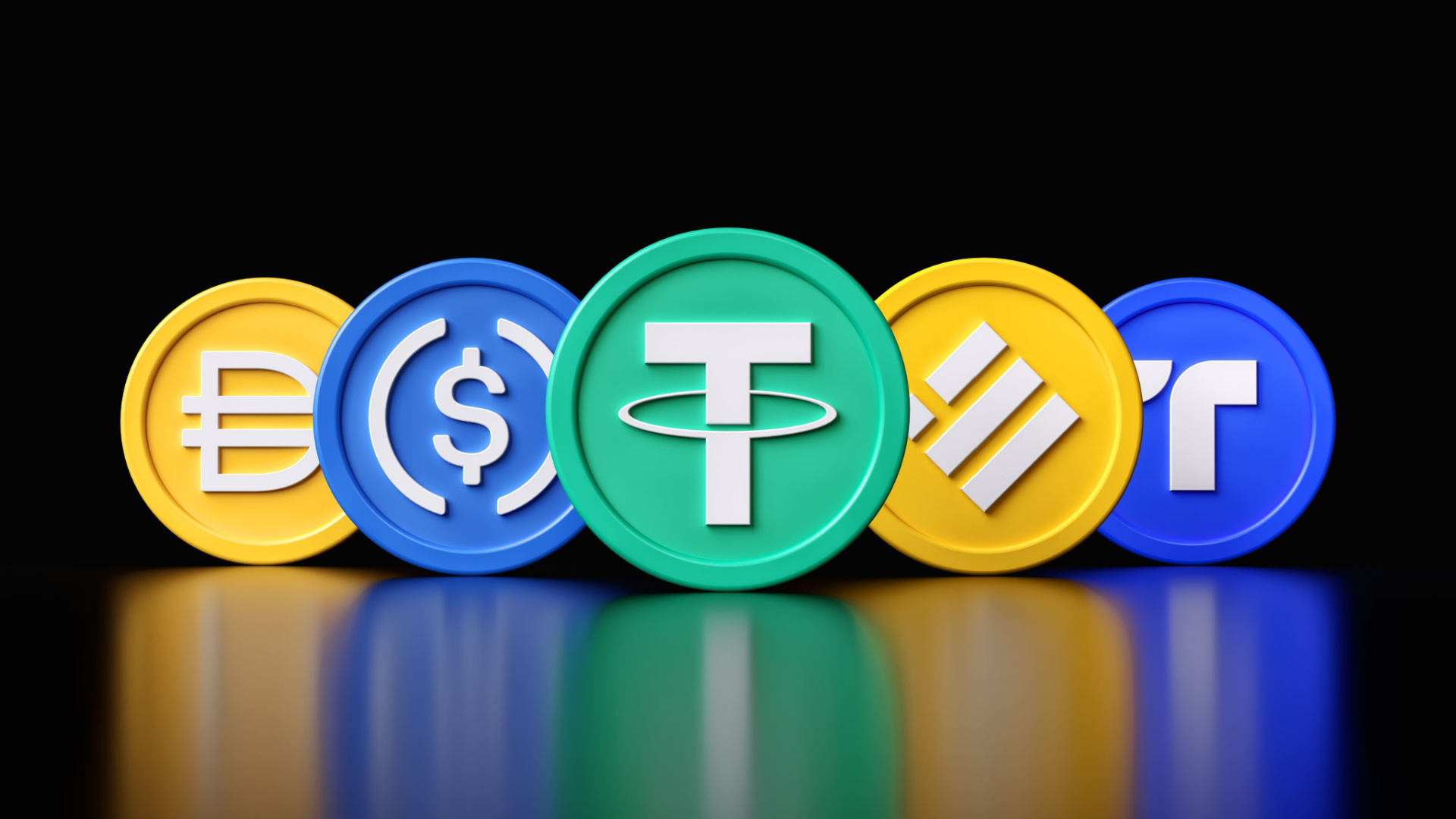
A Visa survey of 14,250 people across Asia-Pacific found that 46% of respondents are open to using stablecoins in the next five years, but a lack of knowledge and concerns about fraud stand in the way of wider adoption.
The research, covered in a CoinDesk report dated October 5, highlights the gap between interest in stablecoins and current usage. While 46% of respondents said they might use these assets within the next five years, the share who said they had used them in the past 12 months was 16%.
Designed to track the value of currencies such as the dollar, stablecoins stood out in the survey not only for crypto transactions but also for everyday spending, travel, and cross-border money transfers. Forty-nine percent of respondents believe these assets could become one of the common ways to send money between countries within five years.
Only 6% correctly understand how they work
Despite their willingness to use stablecoins, only 6% of respondents were found to correctly understand how they work. Among those who had heard of stablecoins, 49% said they thought these assets could only be used to buy and sell other cryptocurrencies.
For those who had heard of stablecoins but had not yet used them, the most frequently cited barrier was concern about fraud and scams. The survey thus highlighted the need for trust and education, alongside potential demand, for payment companies.
Visa wants to turn interest into everyday payments
Nischint Sanghavi, head of Visa’s digital currency unit in Asia-Pacific, said consumers are beginning to see how stablecoins could fit into their existing spending and money-transfer habits. Sanghavi said the next opportunity is to turn that interest into trusted, familiar payment experiences that can be used at scale.
Visa aims to support more tokens and blockchains as it expands its stablecoin settlement network. The company’s partner Reap is also preparing local currency-pegged stablecoins that could be used to settle foreign exchange transactions around the clock, seven days a week, in Asia and other markets.